Cute Smiling Cherry Embroidery Design Review
As an embroidery designer who has spent years digitizing and reviewing files for commercial use, I approach every new machine embroidery design with a critical eye. It is not enough for a design to simply look good on a screen; it must perform flawlessly when stitched out on real fabric, withstand washing, and serve a strategic purpose for the business owner using it. Today, I am reviewing the Cute Smiling Cherry Embroidery Design, a file that promises a cheerful, cartoon-style aesthetic. While categorized broadly under Animals and Embroidery in some directories due to its character-like features, this design is distinctly botanical yet anthropomorphic, offering a unique vibe for branded merchandise.
First Impressions: Visual Personality and Appeal
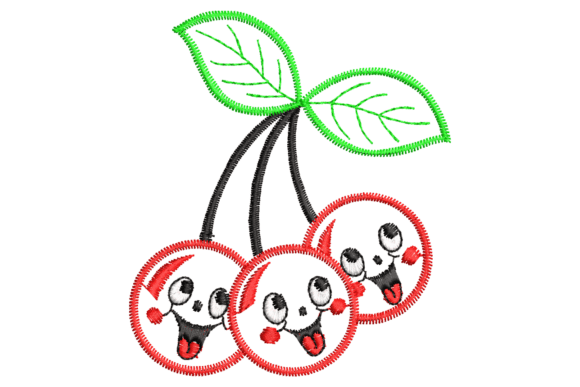
The first thing that strikes me about the Cute Smiling Cherry Embroidery Design is its immediate friendliness. The description highlights a pair of cherries with friendly expressions and simple details, which translates to a low-complexity visual that reads well from a distance. In the world of small business merch, clarity is king. This design feels playful, modern, and approachable. It does not attempt to be overly realistic or intricate, which is a significant advantage for production speed and reliability.
The cartoon style suggests a brand personality that is warm, welcoming, and perhaps a bit whimsical. For businesses like bakeries, ice cream shops, children’s boutiques, or creative studios, this visual language aligns perfectly with their customer experience. It avoids the stiffness of corporate logos, offering instead a handmade, artisanal feel that resonates with today’s consumers who value authenticity.
Real-World Business Applications
When evaluating a digital embroidery file for commercial use, I always ask: where does this live on a product? The Cute Smiling Cherry Embroidery Design is versatile, but it shines brightest in specific applications. Here is how I envision this design performing in a real business scenario:
- Embroidered Patches: This is arguably the best use case. A cheerful cherry patch can be ironed or sewn onto denim jackets, canvas backpacks, or tote bags. It serves as a standalone decorative element that adds value to a basic garment.
- Apron Embroidery: For cafes, florists, or bakeries, staff uniforms are walking billboards. Placing this design on the chest pocket or upper corner of an apron creates a cohesive, branded look that feels personal rather than corporate.
- Tote Bag Design: Canvas totes are a staple for retail shops. The simple lines of the cherry design will stitch out cleanly on heavier fabrics, making it an ideal accent for reusable shopping bags or gift-with-purchase items.
- Cap Embroidery: A small version of this design on the side or front of a dad hat or baseball cap can serve as a subtle brand marker. However, curvature must be considered during digitizing.
- Kids’ Clothing: As noted in the product description, this is perfect for children’s apparel. The smiling faces appeal directly to younger demographics, making it a strong seller for boutique clothing lines.
Technical Considerations for Production
While the aesthetic is appealing, the technical execution determines whether the Cute Smiling Cherry Embroidery Design becomes a profit center or a source of frustration. Here are the critical factors I assess before approving any design for client work:
Stitch Density and Fabric Texture
Cartoon styles often rely on satin stitches for outlines and fill stitches for color blocks. If the stitch density is too high, the design can pucker lightweight fabrics like cotton voile or jersey. Conversely, if the density is too low, the backing fabric might show through, especially with bright red thread colors. I recommend testing this design on the exact fabric texture you plan to use. For textured materials like terry cloth or heavy denim, you may need to adjust underlay stitches to ensure the design sits flat.
Hoop Size and Placement
Before purchasing, verify the available hoop size options. A design that is too large for a standard 4x4 hoop may require re-digitizing for smaller applications like sock cuffs or collar tips. Ensure the file scales down without losing the definition of the smiling faces. If the eyes or mouths become a jumbled mess of threads at smaller sizes, the design loses its charm and professionalism.
Thread Colors and Contrast
The vibrancy of this design relies heavily on thread colors. Red cherries against green leaves are classic, but consider your brand palette. If your brand uses pastels, will this design clash? Always create a printable mockup or digital proof to check color harmony. Additionally, test the design in black and white or monochrome to ensure the shapes remain distinct without relying solely on color contrast.
Brand Identity and Customer Trust
Using a consistent visual asset like the Cute Smiling Cherry Embroidery Design strengthens your brand identity. When customers see the same cheerful motif on your packaging, your staff uniforms, and your social media posts, it builds recognition. It signals attention to detail and a commitment to quality. A poorly stitched logo can damage trust, but a crisp, well-executed embroidered patch elevates the perceived value of the finished product.
For Etsy sellers and handmade brands, this design acts as a signature. It differentiates your goods from mass-produced imports. The "handmade" look of embroidery adds tactile value that printing cannot replicate. This emotional connection can drive higher engagement and repeat purchases.
Where to Use Caution
Not every surface is suitable for this design. Avoid using it on items that undergo extreme abrasion or frequent high-heat washing unless you use high-quality stabilizer and proper backing. Be cautious with dark uniforms if the design lacks sufficient brightness or contrast. Also, avoid placing complex details on highly curved surfaces like the peak of a cap brim, as distortion is likely.
Practical Designer Notes for Implementation
To ensure success with the Cute Smiling Cherry Embroidery Design, follow these steps before full-scale production:
- Check Licensing: Confirm the commercial license terms. Ensure you are allowed to use the design assets for physical products you intend to sell.
- Test Stitch-Out: Always run a test on scrap fabric identical to your final product. Check for thread breaks, nesting, or puckering.
- Review File Formats: Ensure the embroidery file format matches your machine (e.g., PES, DST, JEF). If not provided, contact the seller before purchase.
- Create Mockups: Use the design in digital mockups to present options to clients or visualize placement on custom apparel.
- Evaluate Spacing: If combining this design with text, ensure there is adequate spacing to prevent thread buildup between elements.
In conclusion, the Cute Smiling Cherry Embroidery Design is a strong contender for small businesses looking to add a touch of warmth and personality to their merchandise. Its simplicity is its strength, allowing for quick production and broad appeal. By paying attention to technical details like stabilizer choice and stitch density, you can transform this digital file into a tangible asset that enhances your brand and delights your customers.