Retro Fa La La Embroidery Files: A Designer’s Review
As an embroidery designer who has spent years digitizing and reviewing patterns for commercial use, I approach every new machine embroidery design with a critical eye. It is not just about whether a motif looks cute on a screen; it is about how it performs under the needle, how it wears after fifty washes, and how it elevates a brand’s visual identity. Recently, I took a close look at the Retro Fa La La Embroidery Files, a digital appliqué design positioned within the Christmas category. For small business owners, Etsy sellers, and apparel decorators, this review breaks down the practical application of these files beyond simple holiday decoration.
First Impressions: Visual Personality and Brand Fit
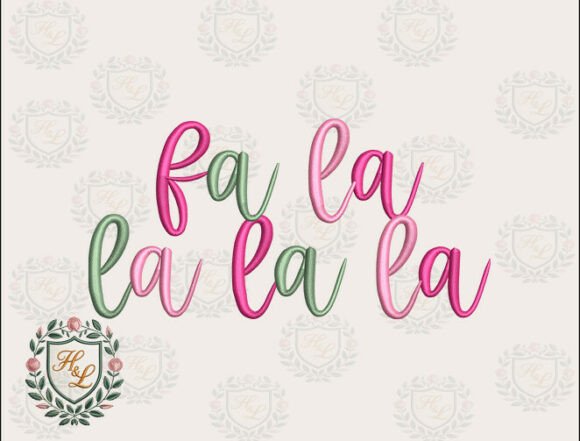
The title itself, Retro Fa La La, suggests a specific aesthetic. We are not looking at a hyper-realistic, traditional holly berry cluster here. Instead, the design leans into a nostalgic, mid-century modern vibe that is currently dominating social media trends. The description highlights it as a high-quality digital appliqué, which immediately signals efficiency to us as professionals. Appliqué designs generally require less stitch time than full-fill satin or tatami stitches, making them cost-effective for bulk orders.
Visually, this design feels playful yet structured. It strikes a balance between handmade charm and professional polish. For a boutique, bakery, or creative studio, this aesthetic communicates warmth and approachability. It does not scream "corporate uniform," but it also avoids looking amateurish. This distinction is crucial when building brand identity. If your business values community, nostalgia, and festive joy, this design aligns perfectly with those core values. However, if your brand is strictly minimalist or industrial, this might feel too decorative. Context is everything in commercial embroidery.
Real-World Application for Small Business Merch
Let us move beyond theory and discuss where the Retro Fa La La Embroidery Files actually shine in a production environment. The versatility of an appliqué design allows it to adapt to various substrates, provided you manage your stabilizers correctly.
- Staff Uniforms and Aprons: For cafes and bakeries ramping up for the holiday rush, adding a festive touch to staff attire boosts morale and customer engagement. An apron embroidery featuring this design on the chest pocket area creates a cohesive team look without overwhelming the garment. Because it is an appliqué, it sits flatter against the fabric than a dense satin column, reducing snagging risks in a busy kitchen environment.
- Tote Bag Design: Retailers often sell branded totes as add-on items. This design works exceptionally well on canvas or cotton tote bags. The bold shapes typical of retro styles hold up well on textured fabrics, ensuring the message remains legible from a distance. It transforms a standard bag into a seasonal handmade product that customers are eager to carry.
- Embroidered Patches: One of the most profitable avenues for small businesses is creating removable patches. You can embroider the Retro Fa La La motif on twill or felt, cut it out, and sell it as an iron-on or sew-on accessory. This allows customers to customize their own jackets or jeans, extending the life of your design assets beyond a single garment.
- Cap Embroidery: While possible, cap fronts require careful sizing. The curved surface of a baseball cap can distort wide designs. If you choose to use this on headwear, ensure the width fits within the standard 2.5-inch embroidery field of most caps. It serves as a excellent subtle accent rather than a full-front takeover.
Technical Considerations and Production Notes
Before you load the digital embroidery file into your machine for a large run, there are technical factors to address. As a designer, I always advise testing any new purchase on scrap fabric that matches your final product. Here is what you need to watch for:
Stitch Density and Fabric Texture: Appliqué designs rely on a tack-down stitch, a cut phase, and a border stitch. If your stitch density is too high for lightweight fabrics, you risk puckering. Always use a appropriate stabilizer. For knit shirts, a cut-away stabilizer is non-negotiable to prevent distortion. For woven totes, a tear-away might suffice, but test first. The interaction between the thread and the fabric texture determines the quality of the finished product.
Thread Colors and Contrast: Retro designs often depend on specific color palettes to achieve their vintage look. Do not assume the default thread colors in the software will match your brand. Create a printable mockup or a physical sample using your actual thread inventory. Check if the design holds up in black and white or grayscale. If the contrast between the appliqué fabric and the border stitch is too low, the design will look muddy from a distance. High contrast ensures readability and visual impact.
Hoop Size and Placement: The product description mentions suitability for shirts, pillows, and decorations, but it does not specify exact hoop requirements. You must check the file details before production. Ensure the design fits comfortably within your available hoop size, leaving at least half an inch of margin from the hoop edge to prevent needle strikes. For smaller items like baby onesies or pet bandanas, verify that the design scales down without losing detail. Tiny lettering or intricate outlines can merge together if scaled too small, ruining the professional appearance.
Enhancing Brand Identity and Customer Trust
Why does the choice of a specific embroidery file matter for your bottom line? It comes down to perceived value. A generic, clip-art style design can make a brand look cheap. A well-digitized, thoughtfully placed design like Retro Fa La La signals attention to detail. When a customer receives a tote bag or shirt with crisp, clean stitching and a trendy aesthetic, their trust in your brand increases. They perceive the item as a premium custom apparel piece rather than a disposable giveaway.
Consistency is key. If you use this design across multiple touchpoints—social media posts, physical merchandise, and packaging accents—you create a recognizable visual language. This consistency helps with customer retention. People remember brands that feel cohesive. Furthermore, offering seasonal items like this allows you to engage with your audience during peak shopping periods, driving sales for your small business merch.
Final Verdict for Commercial Use
The Retro Fa La La Embroidery Files represent a solid addition to a seasonal design library. They are not just decorative; they are functional tools for branding. However, success depends on execution. Do not skip the testing phase. Verify the commercial licensing terms explicitly before selling products made with this file. Some designers restrict the number of physical items you can sell, while others offer unlimited commercial rights. Knowing this protects your business from legal issues.
In summary, if you are looking to add a touch of nostalgic festivity to your product line, this design delivers. It works best on medium-to-heavy weight fabrics where the appliqué can lie flat. It is ideal for boutiques, cafes, and crafters who want to offer unique, limited-edition holiday items. By paying attention to thread colors, stabilizer choice, and placement, you can turn this digital asset into a high-margin physical product. Treat it with the professional rigor it deserves, and it will serve your brand well throughout the holiday season and beyond.