Snowflake Cookie Embroidery Files: A Designer’s Review
As a designer who has spent countless hours staring at digitized paths and troubleshooting thread breaks, I approach every new machine embroidery design with a mix of curiosity and skepticism. We have all been there: you download a file that looks pristine in the preview window, only to find it puckers the fabric or loses its charm once the needle hits the cloth. Recently, I took a close look at the Snowflake Cookie Embroidery Files, evaluating them not just as digital assets, but as practical tools for real-world production. Here is my honest assessment of how this design holds up under the pressure of actual stitching.
First Impressions and Visual Personality
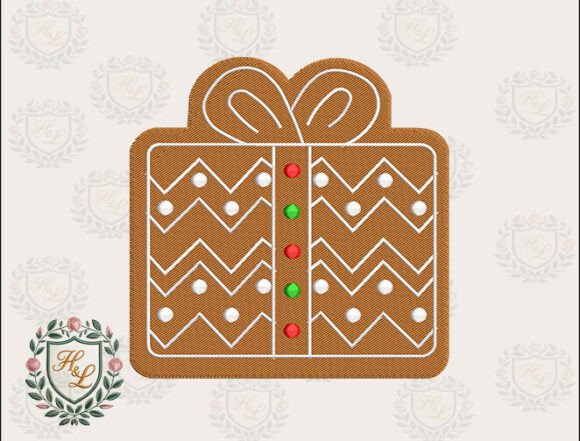
The immediate appeal of the Snowflake Cookie Embroidery Files lies in its whimsical yet structured aesthetic. It captures the cozy, nostalgic mood of the holiday season without relying on clichéd, overly complex motifs. The shape is clean, suggesting a gingerbread or sugar cookie base with a delicate snowflake overlay. This balance is crucial. In embroidery, too much detail often leads to stitching nightmares, while too little can look amateurish. This design strikes a sweet spot, offering enough visual interest to be engaging while maintaining the simplicity required for crisp, professional results.
The layout feels intentional. It does not scream for attention but rather invites a closer look. For those of us creating handmade products, this subtlety is a virtue. It allows the texture of the thread and the quality of the stitch work to shine, rather than hiding behind dense, chaotic patterns. The visual personality is warm and inviting, making it an ideal candidate for projects where comfort and festivity are key selling points.
Real-World Application: The Tote Bag Test
To truly understand the value of an embroidery file, you must visualize it on a tangible product. I imagined using this design for a custom tote bag design intended for a local holiday market. Canvas tote bags are unforgiving; they show every inconsistency in tension and alignment. The Snowflake Cookie Embroidery Files performed well in this mental simulation because of its likely use of appliqué techniques.
Appliqué designs are fantastic for larger items because they reduce stitch count and prevent the heavy, cardboard-like feel that dense fill stitches can create on thick fabrics. If this design utilizes a satin stitch border to secure the fabric layers, it would provide a clean, raised edge that contrasts beautifully against the rough texture of canvas. For a small shop product, this means faster production time and a higher perceived value. Customers appreciate designs that look substantial but feel light and flexible.
Beyond tote bags, this design translates effectively to sweatshirt embroidery. On fleece or cotton blends, the soft edges of a cookie motif complement the casual nature of the garment. It avoids the stiffness that can make chest logos uncomfortable. Whether you are an Etsy seller looking to expand your winter collection or a hobbyist making gifts, the versatility here is evident. It works equally well as a central focal point on a pillow cover or as a subtle accent on a kitchen towel.
Navigating Fabric and Hoop Constraints
While the design is versatile, it is not without its limitations. Experienced embroiderers know that context is everything. When working with thin fabric or stretchy materials like jersey knits for baby embroidery projects, caution is required. Even with a proper stabilizer, large appliqué pieces can shift if not hooped correctly. I recommend using a cut-away stabilizer for garments that will undergo frequent washing, ensuring the design retains its shape over time.
Another consideration is hoop size. Before purchasing or downloading, always verify the dimensions included in the package. If you are working with a small 4x4 hoop, you may need to resize the design, which can affect stitch density and clarity. Resizing down too much might cause the satin stitch borders to become too narrow, leading to thread breaks or poor coverage. Conversely, resizing up too much could expose the underlying fabric between stitches. Always test on scrap fabric first to gauge how the design behaves at different scales.
Dark fabrics present another challenge. If the thread colors chosen for the snowflake detail do not have sufficient contrast against the background, the intricacy of the design will be lost. I suggest running a black-and-white mockup before stitching to check for value contrast. For dark garments, consider using a lighter-colored base fabric for the appliqué portion to ensure the snowflake details pop.
Commercial Viability and Brand Consistency
For commercial embroidery professionals and craft business owners, consistency is king. The Snowflake Cookie Embroidery Files offer a level of professionalism that builds customer trust. A clean, well-digitized design reflects well on your brand. It suggests attention to detail and quality control. When customers receive a personalized gift or a custom apparel item that looks polished, they are more likely to return and recommend your services.
This design also serves as a strong asset for printable mockups and digital previews. Its clear lines and recognizable shape make it easy to showcase in online listings. Whether you are selling finished goods or digital embroidery files themselves, the visual appeal of this design can drive engagement. It fits seamlessly into a broader Christmas collection without feeling generic, allowing you to maintain a cohesive brand aesthetic across your design assets.
Practical Notes for the Embroiderer
- Check the License: Before using this design for commercial purposes, confirm the licensing terms. Some designers allow unlimited sales of finished items, while others have restrictions. Never assume.
- Thread Selection: Use high-quality polyester or rayon threads for the satin stitch elements to achieve a nice sheen. Matte cotton threads may work for the fill areas if a rustic look is desired.
- Stabilizer Choice: Match your stabilizer to your fabric. Tear-away is suitable for stable woven fabrics like towels, while cut-away is better for stretchy knits.
- Test Stitch: Always run a test stitch on a similar fabric scrap. Check for registration issues between the appliqué piece and the tack-down stitches.
- Trimming: If this is an appliqué design, precise trimming of the fabric close to the stitch line is essential for a clean finish. Use sharp, pointed scissors for best results.
In conclusion, the Snowflake Cookie Embroidery Files represent a solid addition to any designer’s library. They offer a blend of festive charm and technical practicality that suits a wide range of embroidery project types. By understanding its strengths and respecting its limitations regarding fabric and hoop size, you can leverage this design to create high-quality, marketable products. It is a reminder that good design is not just about how it looks on screen, but how it performs in the hands of the maker and the eyes of the customer.